Why We Don't Do Annual Contracts
No annual lock-ins. No discounts for commitment. If the product is good, people stay. If it's not, no contract will save you.
 Vipul A M · · 3 min read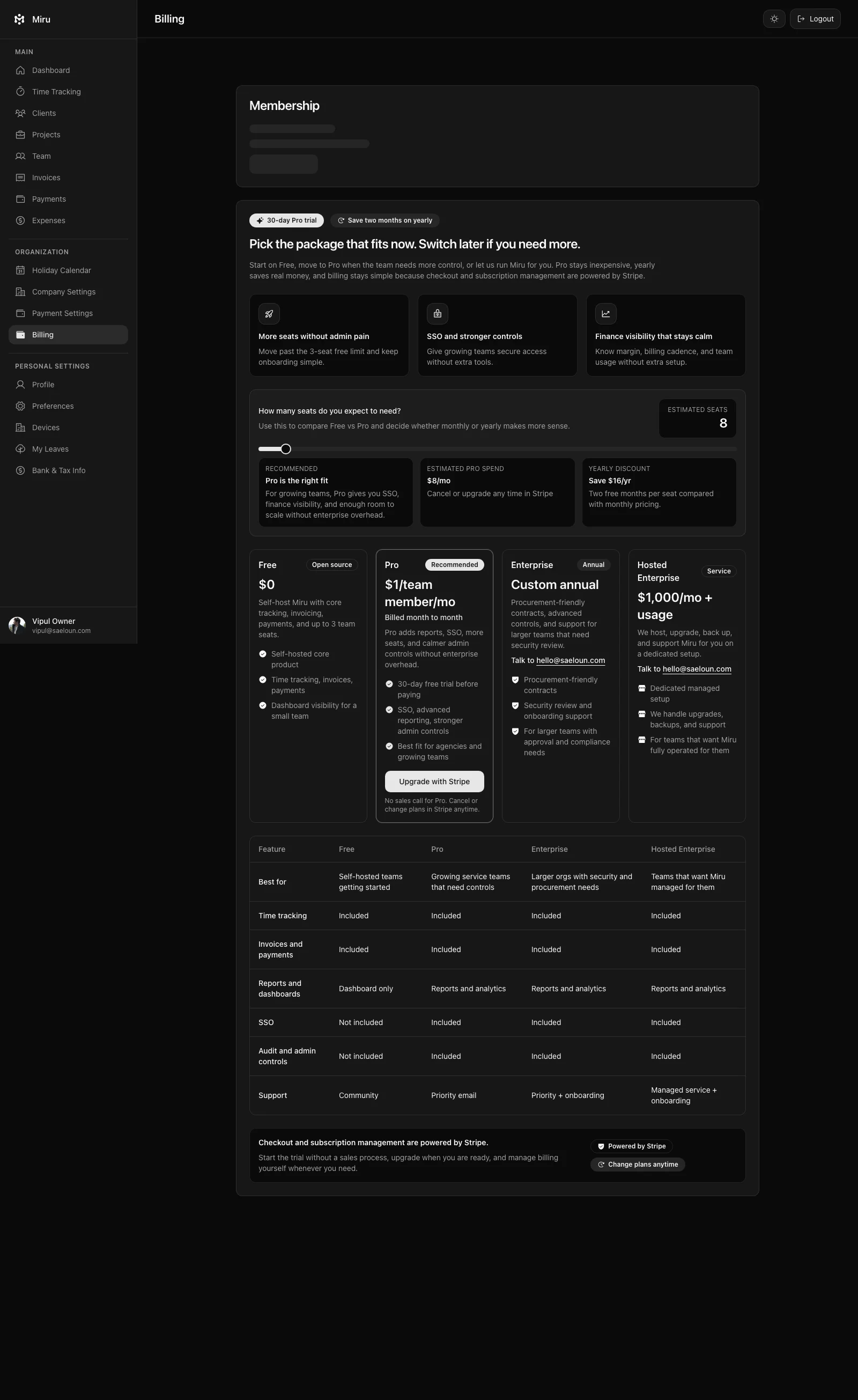
Annual Contracts Protect Bad Products
Think about why a company wants you to pay for a year upfront. They’ll say it’s for “predictable revenue” or “planning purposes.” What it actually means is: they’re not confident you’ll stick around month to month.
If your product is good enough, people stay. They stay because it’s useful, because switching is a hassle they don’t want to deal with, because the product keeps getting better. That’s natural retention. It’s earned.
If your product isn’t good enough, an annual contract buys you twelve months before the customer realizes they’re stuck with something that doesn’t work for them. That’s not retention. That’s a hostage situation.
We’d rather know in month two that something’s wrong than find out in month thirteen when the customer rage-quits and tells everyone on Twitter.
The “Discount” Is a Lie
“Pay annually, save 20%.” Sounds like a deal. Let’s do the math.
You’re paying $120 upfront instead of $10/month. If you cancel in month four, you’ve paid $120 for four months of usage. That’s $30/month. You didn’t save 20%. You overpaid by 200%.
The discount only works if you use the product for the entire year. The company is betting that a meaningful percentage of annual subscribers will stop using the product but not bother to cancel. That revenue from people who aren’t even using the product — that’s the real business model.
We don’t want money from people who aren’t using Miru. If you stop using it, stop paying. We’ll still be here if you come back.
Month-to-Month Keeps Us Honest
When every customer can leave at any time, it changes how you build software.
You can’t coast on a backlog of annual contracts while the product stagnates. Every month, you have to be good enough to keep people around. Every feature, every bug fix, every support interaction matters because the customer is always one bad month away from leaving.
That’s pressure. It’s the right kind of pressure.
37signals — the Basecamp and HEY people — have talked about this for years. DHH has said it plainly: the best business model is one where you have to earn your customers’ money every single month. We agree. It’s not the easiest path. It’s the honest one.
What About Enterprise?
“But enterprise customers want annual contracts for budget planning.”
Fine. If a large organization needs an annual invoice for procurement reasons, we’ll generate one. We’ll bill you annually if your finance team requires it. But there’s no discount for it and there’s no minimum commitment. You can cancel anytime and get a prorated refund for the remaining months.
That’s the deal. Same price monthly or annually. Cancel whenever you want. Get your money back for what you didn’t use.
The Bottom Line
We charge $1 per user per month. Month to month. No annual lock-in. No enterprise minimums. No “save 20% if you commit for a year” manipulation.
If Miru is worth a dollar per person per month, you’ll keep paying. If it’s not, you’ll leave and we’ll deserve it.
That’s how software should work.
See our pricing or start today. $1/member from the first member, or self-host free.
Hard Stop
If you agree, build this way. If you disagree, test the opposite and measure the real cost.
Start with Miru or read the docs.
Vipul A M
Co-founder at Saeloun. Building Miru. Rails contributor. Shipping from Pune, India.
Read next
You're Paying 10x Too Much for Time Tracking
A 50-person team on Harvest pays $450/month. On Miru, that's $50. Here's the math on why per-seat pricing is a scam.
Why We Charge $1 Per Person (And Why Everyone Else Charges 10x More)
Per-seat pricing at $10-15/person is a racket. Here's the math behind Miru's $1/member pricing and why it works.
Per-Seat Pricing Is Broken: A Rant
Slack, Harvest, Jira — they all charge per seat. Here's why this pricing model punishes growth and how to escape it.
Put it to work
Run one cleaner billing cycle in Miru.
If this article is about tracking time, billing clients, comparing tools, or automating work, Miru is the product version of that idea. Start for $1/member, invite the team, and send the next invoice from tracked work.
What you get
- Time tracking, invoices, expenses, and payments in one place.
- $1 per member per month. Free if you self-host.
- Open source, with CLI, API, MCP, and self-hosting paths.
The article is the argument. Miru is the workflow.
Track the work, approve the hours, send the invoice, and get paid without bolting together three separate tools.